

Here is how to decide between one, two and three days at Angkor Wat, with a plan for each, the passes, the sunrise and what to wear.
Plan Cambodia in Stippl
Day-by-day planning, stays and budget in one app, with every place from this guide already on the map.
Download the appHow many days in Siem Reap: the short answer
| Days | What you see | Who it suits | Pass |
|---|---|---|---|
| 1 day | Sunrise at Angkor Wat, Bayon, Ta Prohm | A tight trip, or travellers who tire of ruins fast | 1 day, €32 (US$37) |
| 2 days | The small circuit, then the grand circuit and Banteay Srei | Most first-time visitors | 3 day, €53 (US$62) |
| 3 days | Both circuits plus an outer temple or the floating villages, at an easy pace | Temple lovers, the hot season, families | 3 day, €53 (US$62) |
| 4 days or more | Everything above, with Beng Mealea or Phnom Kulen and afternoons off | Slow travellers, history buffs | 7 day, €62 (US$72) |
Sources genuinely disagree here. Some say one day shows the best temples before they blur together, others that heat, distance and the outer sites need three. Almost everyone agrees temple burnout is real. Two temple days plus one free day is the balance that works for most people.
What is Angkor Wat?
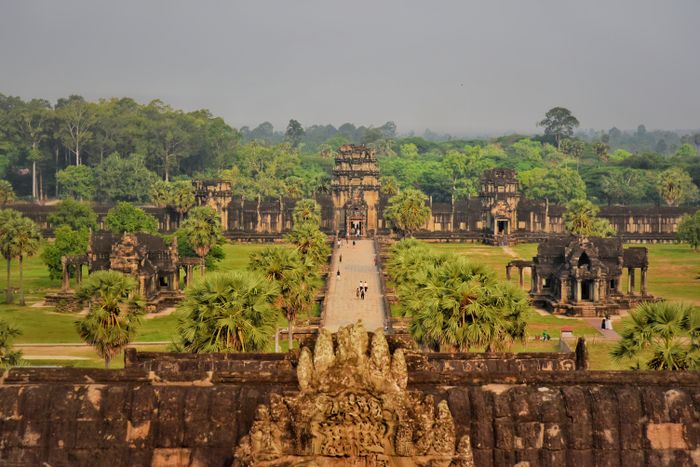
Angkor Wat is located in Cambodia, about 6 to 8 km north of the town of Siem Reap. Angkor Wat is one temple; Angkor is the whole park around it, with dozens of major temples and the remains of hundreds of minor ones. Guides and tour sellers use the two names for the same thing, which is why people arrive expecting a single building.
The Angkor Wat temple was built in the 12th century by King Suryavarman II, as a Hindu temple dedicated to Vishnu and designed to represent Mount Meru. By the end of that century it had passed into Buddhist use, and it has been a Buddhist site more or less ever since. So how old is Angkor Wat? Around 900 years.
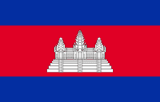
It holds the Guinness record as the largest religious monument on earth, and it is on Cambodia's national flag. Only the stone survived: Angkor Thom, the walled capital next door, once held up to a million people, but their palaces and houses were built of wood.
Angkor Wat tickets and passes
There are three Angkor passes, and the price per day is not the reason to choose one:
- One day: €32 (US$37).
- Three days: €53 (US$62), valid on any three days within ten.
- Seven days: €62 (US$72), valid on any seven days within a month.
The three day pass is the one most travellers should buy. Because the days do not have to be consecutive, a clouded out sunrise or a day of heavy rain is easy to recover. Children under 12 enter free with proof of age.
Where to buy: only from Angkor Enterprise, at its ticket office or on its official site, at the same price. Passes sold anywhere else are void, and sites that charge more online are resellers. The ticket office opens at 5 am for sunrise, and the park is open from 5 am to 7 pm. Carry the pass all day: it is checked at the temples and stamped for each day of entry.
Two sights need their own ticket: Beng Mealea, the jungle temple further out, costs €13 (US$15), and Phnom Kulen has a separate fee of €17 (US$20). For most trips, the Angkor pass is the biggest single cost of the whole Cambodia leg.
Budget
USD 20–30
A dorm bed, local meals, a shared tuk-tuk, beer on Pub Street. The Angkor pass is on top.
Mid-range
USD 35–50
A private air-conditioned room with a pool, restaurant meals, a tuk-tuk to yourself.
High-end
USD 80+
A boutique hotel or resort north of town, a private guide, the Phare circus and a spa.
1 day at Angkor Wat
One day means the small circuit and an early alarm. The popular loop is about 36 km of riding before you count the trip out from town, so hire one tuk-tuk for the whole day.
Day 1 sunrise and the small circuit
Morning: be at the ticket office at 5 am, then at the reflecting pond in front of Angkor Wat for sunrise. Leave the pond as soon as the sun clears the towers and walk into the temple itself. The crowd heads off for breakfast, and the western galleries are almost empty by nine. Allow two to three hours for Angkor Wat.
Late morning: Angkor Thom, through one of its gates, and Bayon with its 216 carved stone faces. It is the temple many people end up preferring to Angkor Wat. Walk on to the Terrace of the Elephants.

Midday: Ta Prohm, the temple swallowed by strangler figs. Then head back to town before the worst of the heat, around 11 am. A pool is not a luxury in Siem Reap; it is where you spend the hottest hours.
Late afternoon: if you still have energy, Banteay Kdei and the Srah Srang reservoir close the small circuit. Skip Phnom Bakheng at sunset: it is capped at 300 people, one in one out, for a view with nothing in the foreground.
2 days at Angkor Wat
Is 2 days enough for Angkor Wat? For most travellers, yes. Day one is the small circuit above, day two takes the quieter grand circuit and the finest carving in the park.
Day 1 the small circuit
Follow the one day plan, sunrise included. With a second day in hand, you can leave Ta Prohm until the late afternoon, when the queue at the famous root doorway is shorter.
Day 2 the grand circuit and Banteay Srei
Morning: Banteay Srei, the small pink sandstone temple about 25 km north, in the morning light it was made for. You can walk round it in an hour, and it is covered by the standard pass. The Cambodia Landmine Museum is on the same road: founded by Aki Ra, a former child soldier who laid mines and now clears them. Allow an hour.
Afternoon: the grand circuit on the way back: Preah Khan (allow 45 minutes to an hour, and walk it end to end), Neak Pean, Ta Som, East Mebon and Pre Rup. Several of them feel almost empty after the small circuit, and many visitors rate that quiet above the famous temples.

3 days at Angkor Wat
Three days is the classic Angkor plan, and the one most guides recommend: two temple days plus one for something different. Space them out over your three day pass, with afternoons by the pool.
Day 1 and Day 2: both circuits
As above. If you arrive in the afternoon, go to the Angkor National Museum first: the carvings make far more sense once you have seen it.
Day 3 pick one outing
- Phnom Kulen: a swimmable waterfall on the mountain where the Khmer Empire was declared, on its own €17 (US$20) ticket. The access road runs one way by time of day, so go up in the morning.
- Beng Mealea: a temple swallowed by jungle, further out, on its own €13 (US$15) ticket.
- The Roluos group: one of the outings sources suggest to break up the temple days, away from the main circuits.
- The floating villages: Kampong Phluk, stilt houses on the Tonlé Sap. Only go between September and January, when the water is high, and book with a reputable operator.

In the evening, see Phare, the Cambodian Circus: an hour of acrobatics and Khmer storytelling by graduates of its own arts school.
Small circuit or grand circuit?
| Small circuit | Grand circuit | |
|---|---|---|
| Temples | Angkor Wat, Bayon and Angkor Thom, Baphuon, the Terrace of the Elephants, Ta Keo, Ta Prohm, Banteay Kdei, Srah Srang | Preah Khan, Neak Pean, Ta Som, East Mebon, Pre Rup |
| Crowds | The busiest temples in the park | Noticeably quieter |
| Best for | Day one, and a one day visit | Day two, often with Banteay Srei |
| By bicycle | Possible in the cool season | Long; better by tuk-tuk |
Do the small circuit first: it holds the temples you came for. The grand circuit is the reward for staying a second day.
Angkor Wat sunrise tips
Angkor Wat sunrise is the image everyone comes for: the five towers in silhouette, doubled in the reflecting pond. It is a genuine bucket list moment, and it is genuinely chaotic. The pond is shoulder to shoulder from about 5:15 am.

- Be at the ticket office at 5 am on your first day, or buy your pass on the official site before you go.
- Stand at the left hand pond for the classic reflection.
- Photograph your tuk-tuk and your driver's shirt. There will be dozens of identical ones in the car park afterwards.
- Expect clouds now and then. They spoil the colour about a third of the time, which is one more reason for the three day pass.
- For Angkor Wat photos without crowds, come back for the western galleries around nine, and catch Ta Prohm first thing or in the late afternoon.
Best time to visit Angkor Wat
The best time to visit Angkor Wat is November to February, when it is dry and daytime highs stay around 31 °C. December and January are coolest and busiest; November is dry with fewer people. From March the heat climbs to about 35 °C, and full temple days become hard work after 10 am.
In the rainy season, from June to October, most rain falls in one afternoon downpour, so the mornings usually work, and the jungle around Ta Prohm looks its best. September is the wettest month, when some outer temple roads flood. Whatever the month, the best time of day is 5 to 11 am. More in our best time to visit Cambodia guide.
How to visit Angkor Wat: getting around
There is no accommodation inside the park, so everyone stays in Siem Reap and commutes. You have four ways to do it:
- Tuk-tuk for the day: the standard choice, €13 to €17 (US$15 to $20). Agree the exact circuit and the price before you set off, and the driver waits at each temple.
- Bicycle: about €4.30 (US$5) a day, 40 to 50 minutes each way. Only sensible in the cool season, and only for the small circuit.
- Electric car: these can be hired near the temples.
- A guide: worth it for one day at least, because the carvings tell stories you will walk straight past. You can book a guided temple day on GetYourGuide.
Arriving: the new Siem Reap airport is 45 to 50 km east of town, 60 to 80 minutes away. The shuttle costs €7 to €8 (US$8 to $9), a taxi €22 to €30 (US$25 to $35) per car. Older guides that mention a 20 minute ride describe the old airport, which is closed.
What to wear at the temples
Cover your shoulders and knees, men and women alike. The guards enforce it, above all at the upper level of Angkor Wat, and people without cover are turned back. Light long trousers or a long skirt and a T-shirt with sleeves are easiest. If you forget, a scarf and thin trousers cost a couple of euros at the market.
Wear comfortable shoes for steep, uneven steps, and bring a hat and far more water than feels necessary. The temples are working religious sites, with monks and people at prayer, so behave as you would in any temple.
Where to stay and eat in Siem Reap
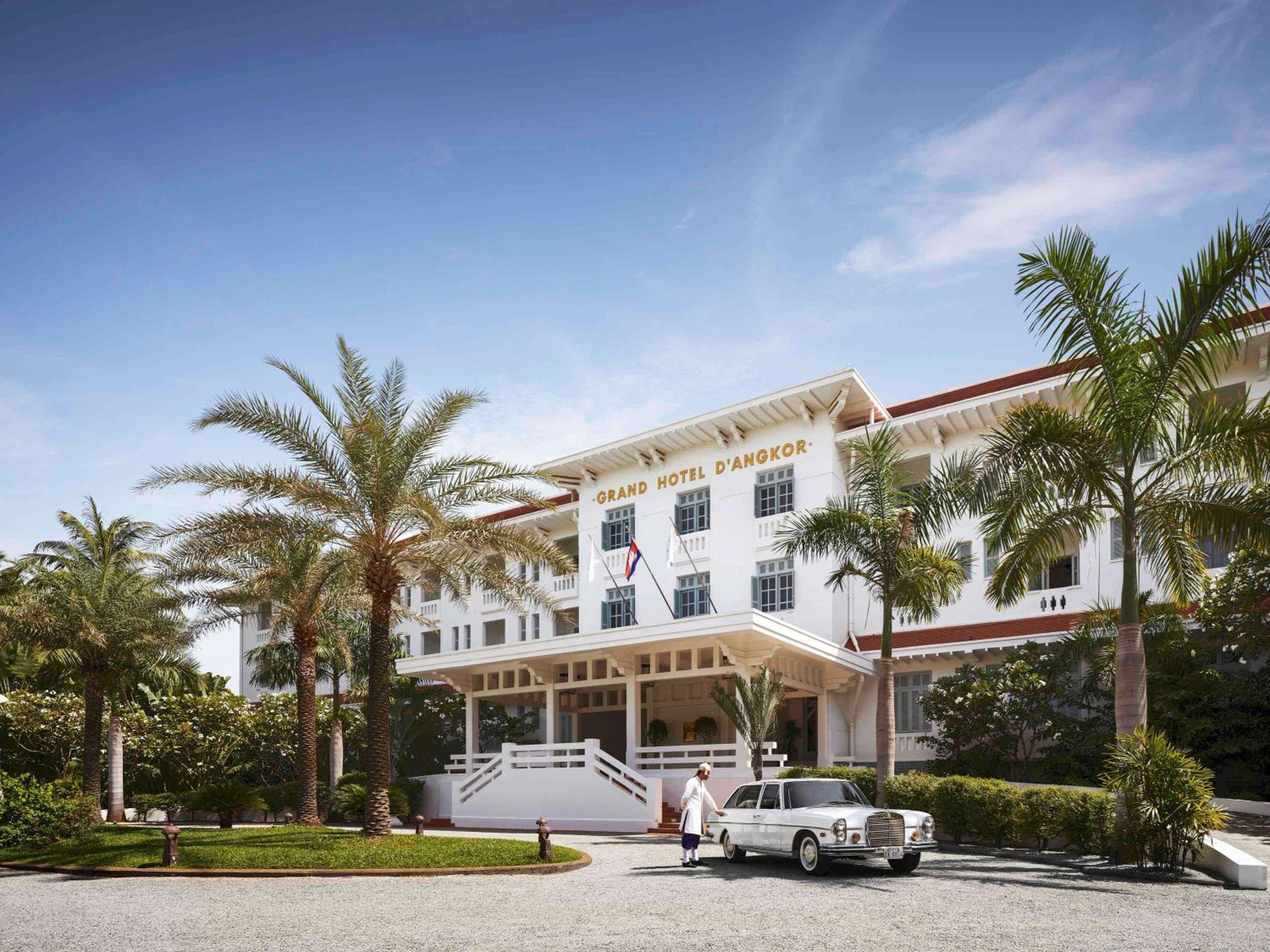
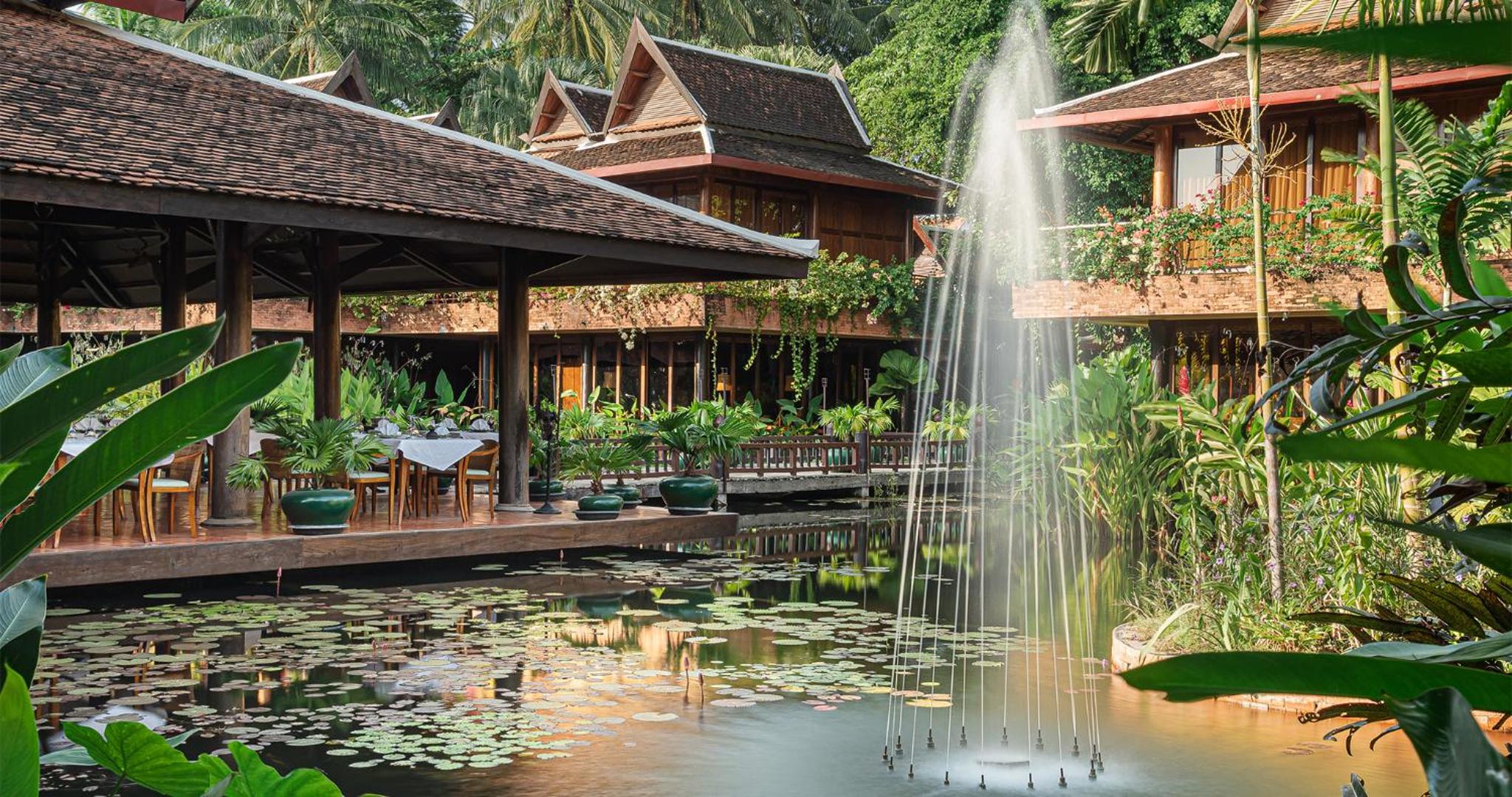
For two or three nights, stay in or near the Old Market and the Old French Quarter: the market, the restaurants and most tuk-tuk drivers are within a 20 minute walk. For a calmer base, cross the river to Wat Bo Road or Wat Damnak, still ten minutes on foot from the centre.
Book a room with air conditioning and a pool, and check that the place has a generator, because power cuts are frequent and can last hours. For a splurge, FCC Angkor by Avani is the old French governor's residence on the river, and Sala Lodges is a set of rebuilt Khmer village houses. Viroth's Hotel, with a rooftop pool, and Angkor Village Hotel, a family run garden hotel, are quieter picks on the Wat Bo side.
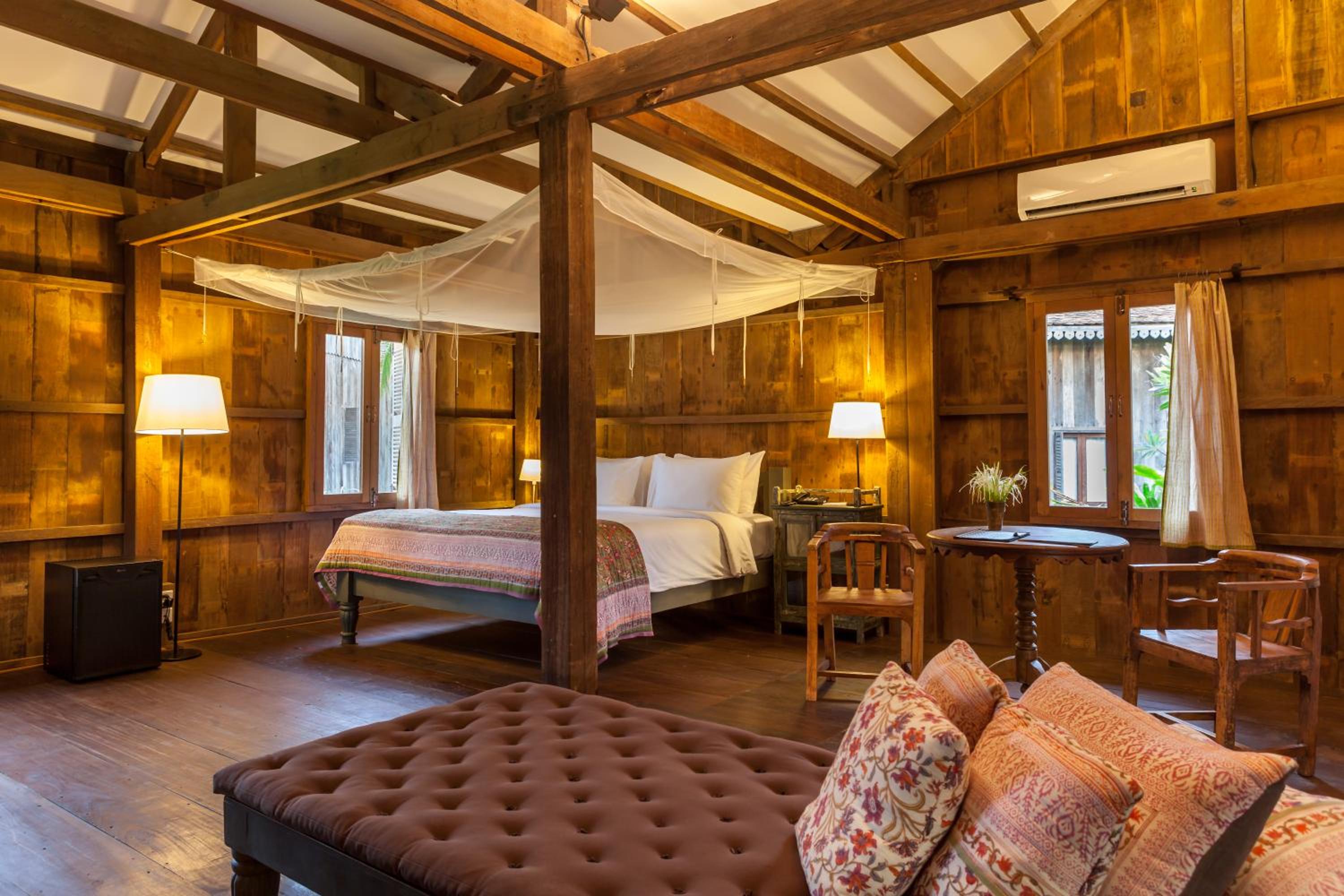


For food, Khmer Kitchen Restaurant is the cheap first night standard near the Old Market. Try the amok at The Sugar Palm, breakfast at Sister Srey Cafe by the river, and Haven, a training restaurant for young Cambodians. After dark, the good cocktails are on Street 26, at Miss Wong.
Read more: things to do in Siem Reap
Fit Angkor into your Cambodia trip with Stippl
Siem Reap rarely stands alone: across the almost 36,000 Cambodia trips planned with Stippl, it is the stop travellers add most often, usually alongside Phnom Penh, a six to seven hour bus ride south. Our 10 day Cambodia itinerary starts with exactly these three Angkor days.
Add Siem Reap to your route in the Stippl itinerary planner, set three nights and drop your temple days in where they fit. You see travel times to your next stop on the map, and you can share the plan with whoever is coming.
Describe your trip, get a Cambodia itinerary in seconds
Everything in this guide is already in Stippl. Tell the planner how long you have and what you like: it builds the route, the days and the travel times, and you edit whatever you want.
Frequently asked questions about Cambodia
For most travellers, yes. Two days cover the small circuit with sunrise and the grand circuit with Banteay Srei at a comfortable pace. Add a third day for Phnom Kulen, Beng Mealea or the floating villages, or if you travel in the hot season and want afternoons off.
Only if they cover your knees, and your top must cover your shoulders. Guards check the dress code, strictest at the upper level of Angkor Wat, and turn people away. Light long trousers or a long skirt are the easiest choice in the heat.
Yes. It is the reason most people come to Cambodia, and Siem Reap is on almost nine in ten Cambodia trips planned with Stippl. The wider park holds far more than the main temple, so plan your days well and start early to avoid both the heat and the crowds.
The three day pass, at €53 (US$62). It is valid on any three days within ten, so you can rest between temple days or repeat a cloudy sunrise. The one day pass costs €32 (US$37), and the seven day pass €62 (US$72), valid for a month.
Yes, on the official Angkor Enterprise site, at the same price as the ticket office. Angkor Enterprise is the only legitimate seller: sites charging more are resellers, and passes bought elsewhere are void. You can also buy it at the ticket office, which opens at 5 am.
Ready to plan your Angkor days? Add Siem Reap to your Stippl trip, set three nights, and build the rest of your Cambodia route around it. Share it with your travel partner so you both know which morning the alarm goes off at 4:30 am.