

Plan Sri Lanka in Stippl
Day-by-day planning, stays and budget in one app, with every place from this guide already on the map.
Download the appSri Lanka rainy season at a glance
There is no single rainy season for the whole island. Here is the year in four parts.
| Season | Roughly | Where it rains | Where it is dry |
|---|---|---|---|
| Southwest monsoon (Yala) | May to September | West coast, south coast, the hills around Kandy and Nuwara Eliya | East coast, the north, Ella, Sigiriya in June to August |
| First inter-monsoon | April | Afternoon storms across much of the island | Mornings, mostly |
| Second inter-monsoon | October to November | Almost everywhere; October is the hardest month | Nowhere reliably |
| Northeast monsoon (Maha) | November to January | East coast and the north | South and west coast, from December |
It stays warm all year. On the coast the monthly average barely moves, from about 27°C to 29°C, so the rainy season in Sri Lanka is never a temperature question. It is a question of which side of the island you are on.
The two monsoons, and why Sri Lanka has two rainy seasons
The mountains in the middle of the island act as a divide: while one monsoon soaks one side, the other side stays much drier. The hills even have their own split. Ella sits in a rain shadow and has its driest months in June to August, exactly when the west coast is at its wettest.
Southwest monsoon: Colombo, the west and the south coast
The rainy season in Colombo arrives with a jolt in May: 316 mm over 17 days, at 29°C and full humidity. Galle gets the same 316 mm that month. The sea on this coast turns rough, several beaches stop being safe for swimming, and the whales leave Mirissa for the east coast.
Then the monsoon eases. July and August are a real gap: Colombo gets 134 mm and 120 mm, against May's 316, and rooms on the coast are at their cheapest. Up the coast, Negombo follows the same pattern, which matters because it is where most trips start and end. From September the rain builds again towards October and November, the wettest months on this coast, and November and December carry a cyclone risk here.
Northeast monsoon: the east coast and the north
The east coast runs the opposite calendar. Around Trincomalee the monsoon begins in October, November is wet and largely closed, and December is the wettest stretch, when one source calls the town a ghost town. Arugam Bay is the same: its wettest month is December, and most of the village shuts from roughly November to January.
So a cheap room on the east coast in December usually means a closed restaurant next door. The east reopens from February, which is still a gamble, and is at its best from May to September, with calm sea, diving and whales off Trincomalee.
The two inter-monsoon periods
The changeovers bring a different kind of rain: sunny mornings and heavy afternoon thunderstorms, rather than grey days. April is the first and the kinder one. It is the hottest month, and Colombo's rain jumps from 101 mm in March to 267 mm.

The second runs from late September through November, and it is the wet heart of the year. October is the hardest month to plan, because storms can hit anywhere on the island. The hills are soaked: Kandy gets 303 mm in October, and Ella 315 mm in November. The upside is that the waterfalls are at full force.
Weather in Sri Lanka in November sits right on the turn. The south and west coast start to dry out and the whale season off Mirissa opens late in the month. But the hills and Sigiriya are at their wettest, the west coast still gets storms, and the east is settling into its monsoon. Later in the month is the better bet for the south coast, with the beach days at the end of your route.
Sri Lanka rainfall and temperature by month
Here is Sri Lanka rainfall by month for the four regions most trips cover. The figures are station normals in millimetres: Colombo for the west and south coast, Kandy and Ella for the hills. There is no published station series for Sigiriya or the east coast, so those columns are in words.
| Month | West and south coast (Colombo) | Hill country (Kandy, Ella) | Cultural Triangle (Sigiriya) | East coast (Trincomalee) |
|---|---|---|---|---|
| Jan | Dry, 85 mm | 103 mm, 113 mm | Dry, peak season | Monsoon's tail, much still shut |
| Feb | Driest month, 70 mm | Driest in Kandy, 78 mm; 81 mm | Dry and clear | Reopening, a gamble |
| Mar | Dry, 101 mm | 98 mm, 99 mm | Dry, getting hot | Drying out |
| Apr | Rain arrives, 267 mm | 189 mm, 192 mm | Hottest, first storms | Season opens |
| May | Monsoon lands, 316 mm | 141 mm, 121 mm | Showers build | Season in full swing |
| Jun | Easing, 203 mm | 124 mm, 50 mm | Driest month, 29 mm | Dry, calm sea |
| Jul | Quiet middle, 134 mm | 108 mm, driest in Ella at 47 mm | Dry | Peak season |
| Aug | Most usable wet month, 120 mm | 95 mm, 62 mm | Dry | Dry and busy |
| Sep | Rain returns, 276 mm | 124 mm, 101 mm | Rain returns late | Last full month |
| Oct | Wettest month, 395 mm | Wettest in Kandy, 303 mm; 272 mm | Wet | Monsoon begins, closing |
| Nov | 364 mm, cyclone risk | 269 mm; wettest in Ella, 315 mm | Wettest month, 245 mm | Wet, mostly shut |
| Dec | Clearing, 174 mm | 204 mm, 199 mm | Wet but easing | Wettest stretch, closed |
Sri Lanka temperature by month barely changes on the coast: Colombo averages 27.4°C in January and 29.2°C in May. Kandy runs about three degrees cooler than the coast, Ella sits between 19°C and 23°C, and Nuwara Eliya between 15°C and 17°C, with nights near 10°C in January. Pack a fleece for the hills in any month.
What is the rainiest month in Sri Lanka? It depends on the side. October on the west and south coast (Colombo 395 mm, Galle 344 mm) and in Kandy, November in Ella and the Cultural Triangle, and December on the east coast.
Is February rainy season in Sri Lanka? Not on the west and south coast, where it is the driest month of the year. The east is still coming out of its monsoon in February, so beach days there are a gamble.
Rainy season in Sri Lanka 2026
The pattern above is the typical year, and the edges move. Sources give the southwest monsoon as May to September or April to September, and the northeast one as November to March or October to January. In practice that means the first and last weeks of each season are the unreliable ones. If your dates sit near an edge, book rooms you can cancel and keep the beach days at the end of the route, where you can still swap coasts.
One 2026 effect to know about: the hill country train is only partly running. Cyclone Ditwah damaged the line in late 2025, the stretch from Nanu Oya to Ella reopened in mid 2026, and the Kandy end is still under repair. Our Kandy to Ella train guide has the details and the road alternative.
What the rainy season is really like for travellers
Rain in the "wrong" season usually comes as a short, heavy burst in the morning or evening, not a washed out day. October is the exception, when it can rain anywhere and for longer. Here is what that changes on the ground.
- The sea. On a coast in its monsoon the sea gets rough, rip currents get stronger, and pretty beaches are often not swimming beaches. Ask your guesthouse about the sea that day.
- The hills. After rain the walking trails turn muddy and slippery, and leeches come out on the wetter ones. Around Nuwara Eliya, June to September brings mist that closes the views without much rain.
- Power cuts. They are routine in Sri Lanka and worst in heavy rain. Budget guesthouses rarely have a generator, so carry a power bank and a head torch.
- Mosquitoes. Dengue peaks during and after each monsoon, from June to July and from October to January. Use repellent in the daytime, not just at night.
The upsides are real too. The countryside is at its greenest, the waterfalls are at full force, the big sights are quieter, and rooms cost less: the same room can cost twice as much in high season as in low.
Worst time to visit Sri Lanka, and for whom
The worst time to visit Sri Lanka depends on the trip, not the calendar. Rain falls somewhere on the island all year, so what suffers is a plan built on the wrong coast.
- A south or west coast beach holiday: avoid May, and September to November. The sea is rough and the whales are gone.
- An east coast beach holiday: avoid November to January, when the rain peaks and much of Trincomalee and Arugam Bay is shut.
- Hiking in the hills: avoid October and November, when the trails are at their wettest and the views often close in.
- A first trip around the whole loop: October is the hardest month, because no side is reliably dry.
Short trips from nearby, including from India, have it easiest: pick the coast that is dry in your month and stay on that side, rather than crossing the island.
Best month to visit Sri Lanka by region
The short version, by region:
- West and south coast: December to March, with February the driest.
- East coast: May to September.
- Hill country: February and March, plus June to August for Ella.
- Cultural Triangle: January to March, and June to August.
The simple rule: pick the dry coast first and build the rest of the loop around it. For the full month by month answer, see our best time to visit Sri Lanka.
Sri Lanka and the Maldives pair well, because their best weather overlaps. The Maldives' dry season runs from December to April, which lines up with Sri Lanka's south and west coast. May is one of the wettest and windiest months in both. From June to September, take Sri Lanka's east coast and hills, and expect showers in the Maldives. If you are weighing up another island in the wet months, our Bali rainy season guide works the same way.
How to plan a Sri Lanka trip around the rain
Across the more than 33,000 Sri Lanka trips planned with Stippl, travellers keep building the same loop: in at Colombo or Negombo, up to the Cultural Triangle, into the hill country, down to the coast and back out. Colombo, Kandy, Ella, Negombo and Sigiriya are the stops added most often. And our trip data shows the monsoon at work: travellers who add Mirissa are less likely than average to add Trincomalee too. The two beach coasts are alternatives, and travellers pick the dry one.
That gives you a simple way to plan around the rain in the Stippl itinerary planner:
- Build the loop first, with the cultural sites and the hills in the middle. They work in most months.
- Put the beach days at the end, on the dry coast. From December to April that is the south coast. From May to September, swap Mirissa and Galle for Trincomalee.
- Use the summer rain shadow. Sigiriya and Ella are both dry from June to August, so a summer loop works well if it ends in the east.
- Keep the wet stretches flexible. Put temples, food and travel days in the weeks most likely to be wet, and move a day around when the forecast changes.
Most travellers start planning about ten weeks before they fly, which is plenty of time to check which coast is dry before you book anything.
Where to go when it rains: stops that work in any weather
Some stops barely notice the rain. Plan these for the wetter stretch of your route.
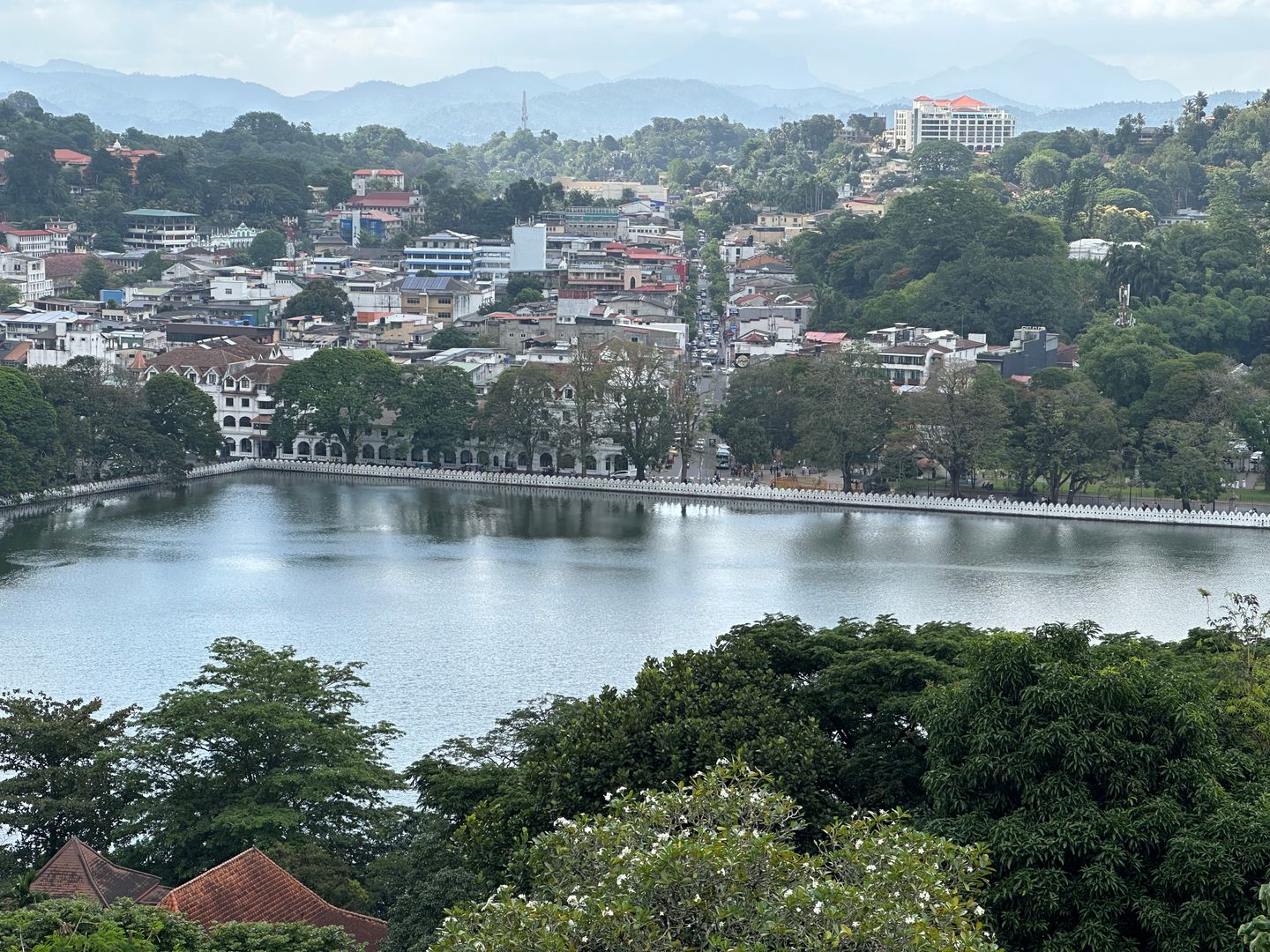
- Kandy: the Temple of the Tooth, the market and the cafés around the lake, all inside a short walk. Cafe Secret Alley sits right beside the temple.
- Colombo: the museums, the Red Mosque and Pettah market, with plenty of street food in between.
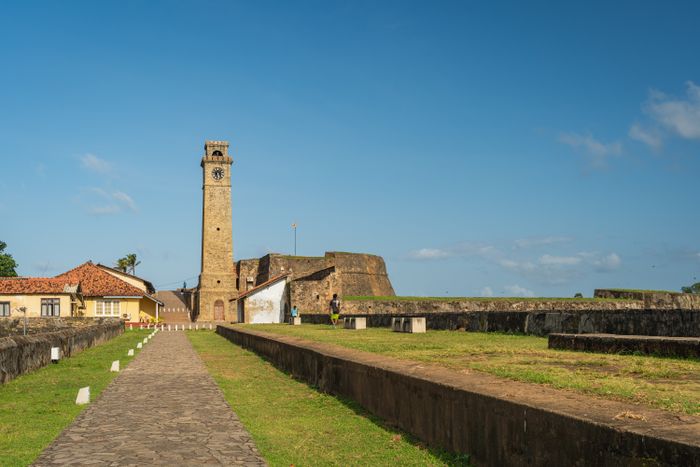
- Galle Fort: walk the ramparts between showers, then duck into the boutiques and galleries inside the walls.
- Ella: a rice and curry cooking class is the classic rainy afternoon, and the waterfalls are at their best in the wet months.
- Nuwara Eliya: a tea factory tour with a tasting, then high tea at the Grand Hotel, a local ritual that suits a grey afternoon.
- Sigiriya: climb before 9 am, before the afternoon storms build, and see the Dambulla cave temples under cover later.
Frequently asked questions about Sri Lanka
It depends on the coast, because the two monsoons hit different sides of the island. October is the wettest month on the west and south coast, with 395 mm in Colombo, and in Kandy. Ella and Sigiriya peak in November, and the east coast gets its heaviest rain in December.
There is no single best month, so pick the coast first. Go to the west and south coast from December to March, and to the east coast from May to September. Across the more than 33,000 Sri Lanka trips planned with Stippl, travellers build one loop and end it on the dry coast.
Avoid beach days on a coast during its own monsoon: May and September to November in the south and west, November to January in the east. October is the hardest month overall. Rain falls somewhere all year, so it is the beach plan, not the whole trip, that suffers.
There are two. The southwest monsoon brings rain to the west, the south and much of the hill country from roughly May to September. The northeast monsoon brings rain to the east and north from around November into January. Two shorter inter-monsoon periods, in April and in October to November, bring storms to most of the island.
Not always. Rain often comes in short bursts in the morning or evening, crowds are smaller, rooms are cheaper and the countryside is greener. Move your beach days to the dry coast, keep temples, food and train days for the wetter stretch, and leave one flexible night.
Ready to dodge the rain? Start a Sri Lanka trip in Stippl, put the beach days on the dry coast, and move them around if the forecast turns.